
Welcome to birthinjury.org
This website is sponsored by the Midwest Brachial Plexus Network, Inc., a non-profit organization providing support and information to those touched by brachial plexus injury. Brachial plexus injury (bpi) is an injury that causes paralysis to one or both arms. Most bpi's happen
during delivery of an infant, however trauma later in life may also result in a bpi. The injury can be temporary or it may cause a permanent disability. At this site you will find the most complete information about brachial plexus injury, available treatments, legal information, articles, FAQ and support services. We are dedicated to helping parents help their injured children. We also strive to provide information to the medical community so that doctors can
prevent as many bpi's as possible and give prompt and accurate treatment when the injury does occur.
Midwest Brachial Plexus Network, Inc Mission Statement:
We have come together to reach out for the purposes as follows:
- To provide support, information and resources.
- To inform and educate about the prevention and treatment of brachial plexus injuries.
- To help children and adults receive the medical treatment they need.
|
 |
| In
loving memory of Dr. John Laurent
Dr. John Laurent has passed away. Dr. Laurent was the neurosurgeon who performed primary surgery on thousands of our babies. |
 |
Families of injured children in Kansas City founded the MBPN in 1997 as a parent support group through Children's Mercy Hospital. We found comfort in learning that our families were not the only ones experiencing this injury. Our main focus was giving parents information about their child's injury and how to treat it. We found that parents were not getting the kind of information they need to understand their child's injury and give their child the best chance at a normal life. Our personal experiences have allowed us to help many other families affected by brachial plexus injury.
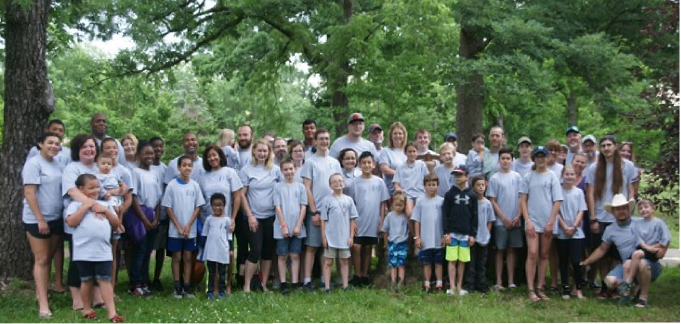
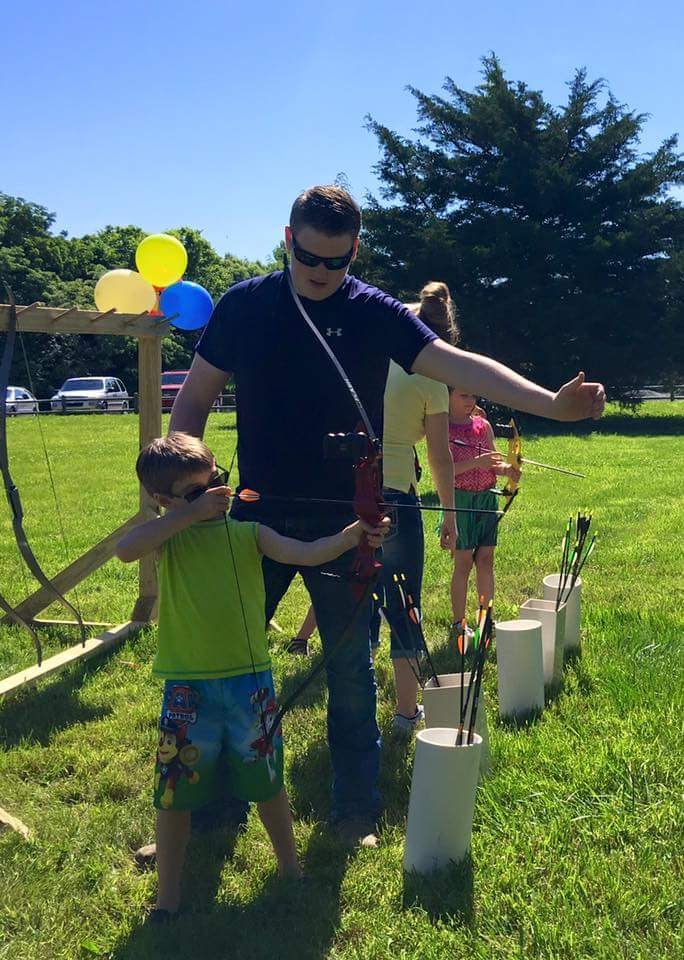
We were granted our non-profit status in 1999. With the dedication and hard work of loyal area families, our organization has grown to provide additional services to families across the country. We hold informative conferences to promote awareness and provide the latest treatment information to medical professionals and families. Activities and support group meetings are held throughout the year. We also hold an annual summer camp session in conjunction with the Rotary Youth Organization.
Our efforts are made possible by the donation of time services and money from our group members, advisory board members and the community. The children could use your help. Donations are always accepted and appreciated.
MBPN Staff
Beth Gehring - President
Brian Moore - Vice President
Mike Gehring - Treasurer / Public Relations
BRACHIAL PLEXUS INJURIES (Erb's or Klumpke's Palsy, Brachial Plexus Palsy)
The brachial plexus is a group of nerves that run from the spinal cord through the arm to the wrist and hand. These nerves are responsible for movement and sensation in the shoulder, arm, wrist, hand and fingers. Injury to the plexus can cause varying degrees of paralysis to the affected arm. These injuries can limit one's ability to perform various movements (reaching over-head, grasping objects, straightening the arm, etc.) depending on the degree of the injury and the nerves involved. A severe injury may cause complete paralysis and disfiguration, especially if left untreated.
CAUSES OF BRACHIAL PLEXUS INJURY
Stretching of the head away from the shoulder or similar trauma in the area of the brachial plexus can cause damage to the nerves. The most common type of injury is an obstetrical brachial plexus injury. This injury occurs when one or both of the baby's shoulders become impacted or stuck on the mother's pubic bone during delivery. This condition is known as Shoulder Dystocia. Frequently, shoulder dystocia occurs during delivery of large babies, however many injuries occur in average and low birth weight babies. Approximately 3 out of every 1000 children will be born with a brachial plexus injury. Brachial plexus injuries are more common than Down's Syndrome or Muscular Dystrophy. It may not be possible to predict when a shoulder dystocia will happen, but being aware of the risk factors and warning signs could allow the obstetrical team to anticipate a problem and prepare for a safe delivery.
RISK FACTORS DURING PREGNANCY
Some conditions which may be contributing factors in a shoulder dystocia
birth are as follows:
- Gestational diabetes
- Advanced maternal age
- Multiple pregnancies
- Excessive maternal weight gain (over 35 lb) or obesity
- Previous delivery of large infant with or without complications
- Previous delivery of infant with brachial plexus injury or broken clavicle (collar bone)
- Previous shoulder dystocia
- Post-term deliveries (overdue babies - past 40 weeks gestation)
- Stalled Labor
WARNING SIGNS DURING LABOR
Labor is monitored carefully, since there are some signals during labor that can alert the doctor or midwife that a shoulder dystocia delivery may be likely. Several maneuvers are available for releasing the trapped shoulder when the situation arises. In some cases a cesarean section will be performed to deliver the baby safely.
These warning signs include:
- Failure of labor to progress - often pitocin is used to make contractions more effective
- Prolonged second stage of labor
- Cephalopelvic disproportion - baby's head is too large for mother's pelvis
- Macrosomia - large baby
- Need for forceps or vacuum extractor
TREATMENT
Babies are usually diagnosed with a brachial plexus injury within the first 24 hours after birth. Often it is obvious immediately after birth because the baby will actively move its arms and legs. An arm with a brachial plexus injury will move very little or not at all.
The baby should be evaluated soon after birth and followed by a doctor or medical team experienced in treating brachial plexus injury.
Evaluation should occur regardless of function at the time of injury. It is critical that the parents be taught proper care of the infant and exercises to help in recovery of function of the arm.
In many facilities, a team of specialists will evaluate at regular intervals to be sure that all aspects of the injury are addressed. A brachial plexus team may consist of a combination of plastic surgeons, orthopedic surgeons, neurologists, reconstructive micro surgeons, rehabilitation physicians, occupational therapists, physical therapists and behavioral therapists among others.
- Early treatment should include range of motion exercises to help keep the baby's muscles toned and flexible while waiting for the nerves to heal. The parents can be taught how to properly exercise the arm beginning at about two weeks of age. Stretching and moving the arm, wrist, hand and fingers is important to keep the muscles, tendons and ligaments from shortening and causing a permanent contracture (tightening) of the joints and muscles.
Contracture will further limit the child's mobility and recovery of function.
- Physical and occupational therapy is needed to help strengthen the arm and help with coordination and mobility. It may also be necessary to help teach the child alternate methods for day-to-day functions such as brushing their hair or dressing themselves. Various types of splinting, massage therapy, pool therapy and electrical stimulation may be used as well.
- Surgery is needed in some cases to repair injured nerves, reposition muscles or correct bone deformities. Many primary surgeries (nerve repair) are done as early as 3 or 4 months of age to maximize the potential for recovery. Optimal results may not be possible as the child gets older, so it is important to have a surgical consultation early. Even with surgical intervention, a complete recovery may not be possible. The main goal of surgery is to improve function as much as possible in the affected arm.
THE FUTURE
If you are expecting or plan to become pregnant, talk to your obstetrician or midwife about shoulder dystocia and brachial plexus injury. Ask about their experience handling this complication and the hospital protocol that would be followed if shoulder dystocia does occur. Shoulder dystocial drills are practiced by obstetrical staff in some birthing facilities to help prepare for an emergency.
If you have given birth to a child who suffered a brachial plexus injury or have encountered a shoulder dystocia or other trauma during a previous birth, your chances of delivering a child with a brachial plexus injury will be significantly higher. Cesarean delivery may be necessary to prevent injury during a subsequent delivery. Talk to your practitioner about which method of delivery is safest for you and your baby. Your history from previous pregnancies should be carefully reviewed to determine your risk for complications. Your practitioner should be willing to let you take an active role in the decision-making process during pregnancy, labor and delivery.
MBPN INC. CONTACT INFORMATION
30505 E. 38th St.
Grain Valley, MO 64029
816-914-1957
|